
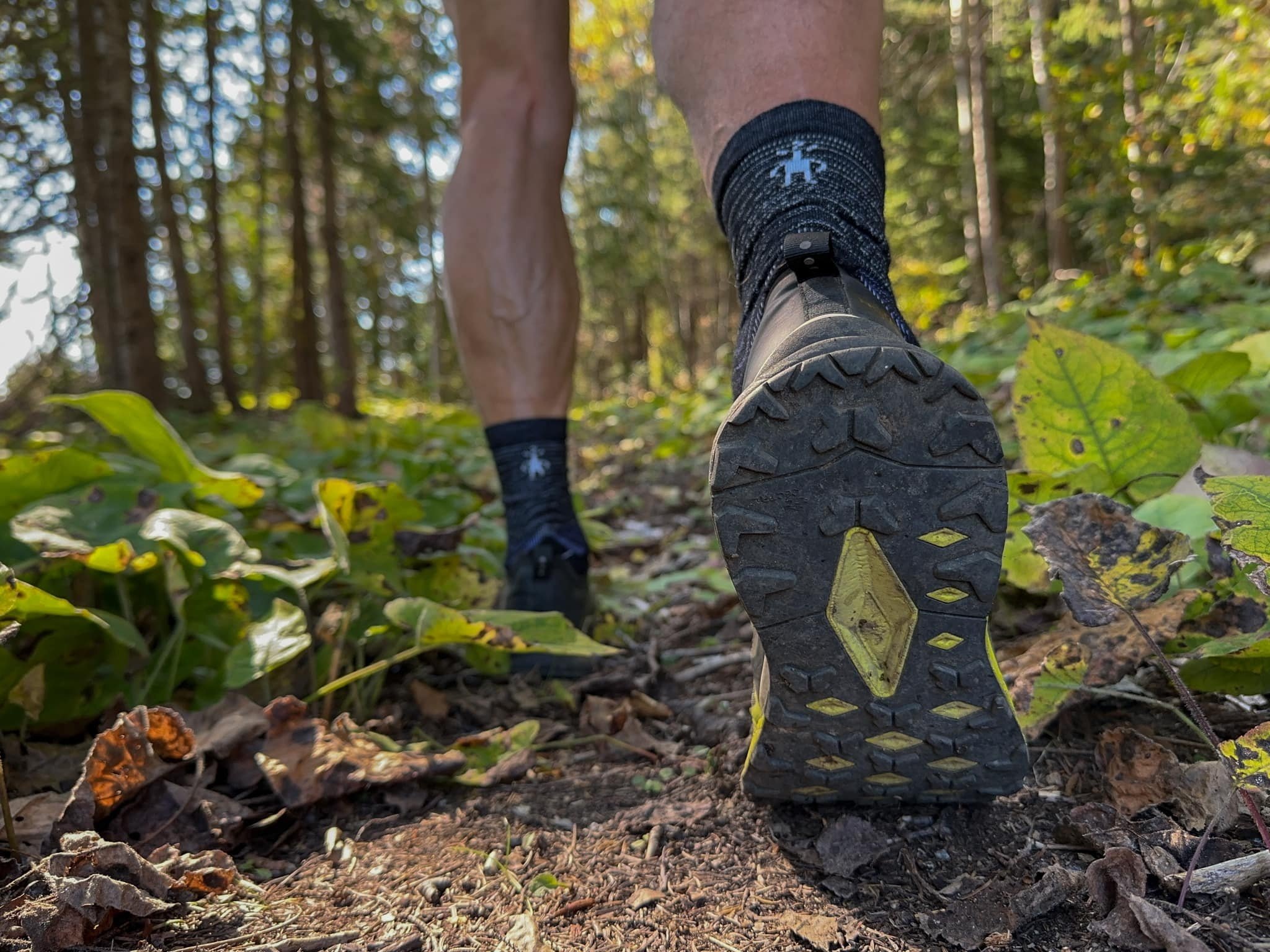
Choosing the Right Hiking Footwear and Socks
A practical guide to comfort, fit and performance on the trail
Anyone who has spent time on the trail knows that discomfort rarely starts at the trailhead —it starts with your feet.
A boot that doesn’t fit quite right, socks that trap moisture, or a mismatch between your footwear and the terrain can gradually turn an enjoyable outing into a frustrating one. These issues are often subtle at first, but over the course of a hike—especially longer or more technical ones—they become increasingly difficult to ignore.
The good news is that most of these problems are preventable. Choosing the right combination of footwear and socks is less about brand or price, and more about understanding how each component works together to support your movement, manage moisture, and protect your feet over time.
Why Socks Matter More Than Most People Think
“Socks are 50% of the solution” _ Brian Ramakko
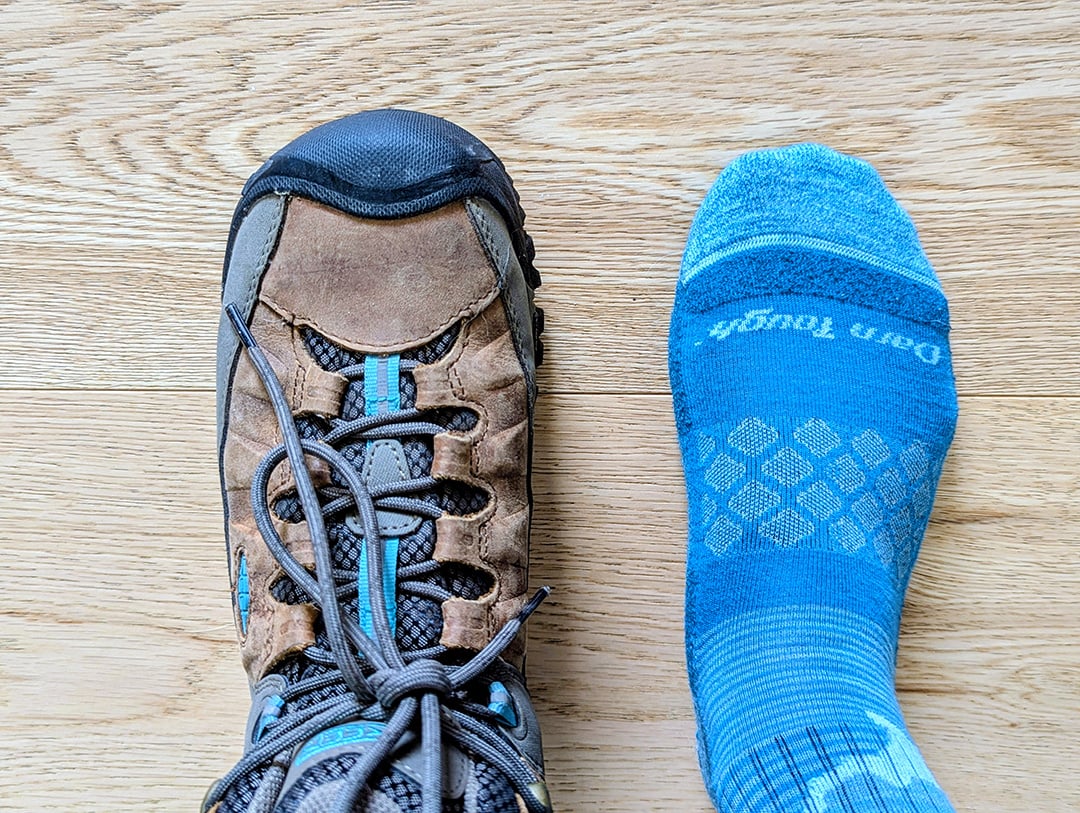
Footwear tends to get the most attention, but socks play an equally important role in overall comfort. In many cases, issues such as blisters, overheating, or cold feet can be traced back to the wrong sock choice rather than the boot itself.
Modern hiking socks—particularly those made from merino wool—are designed to manage moisture and regulate temperature. Unlike cotton, which absorbs and holds moisture, merino wool moves moisture away from the skin. This helps keep feet dry, reducing friction and the likelihood of blisters.
Merino wool also adapts well to changing conditions. It provides insulation in cooler weather while remaining breathable in warmer temperatures, making it a reliable choice across seasons.
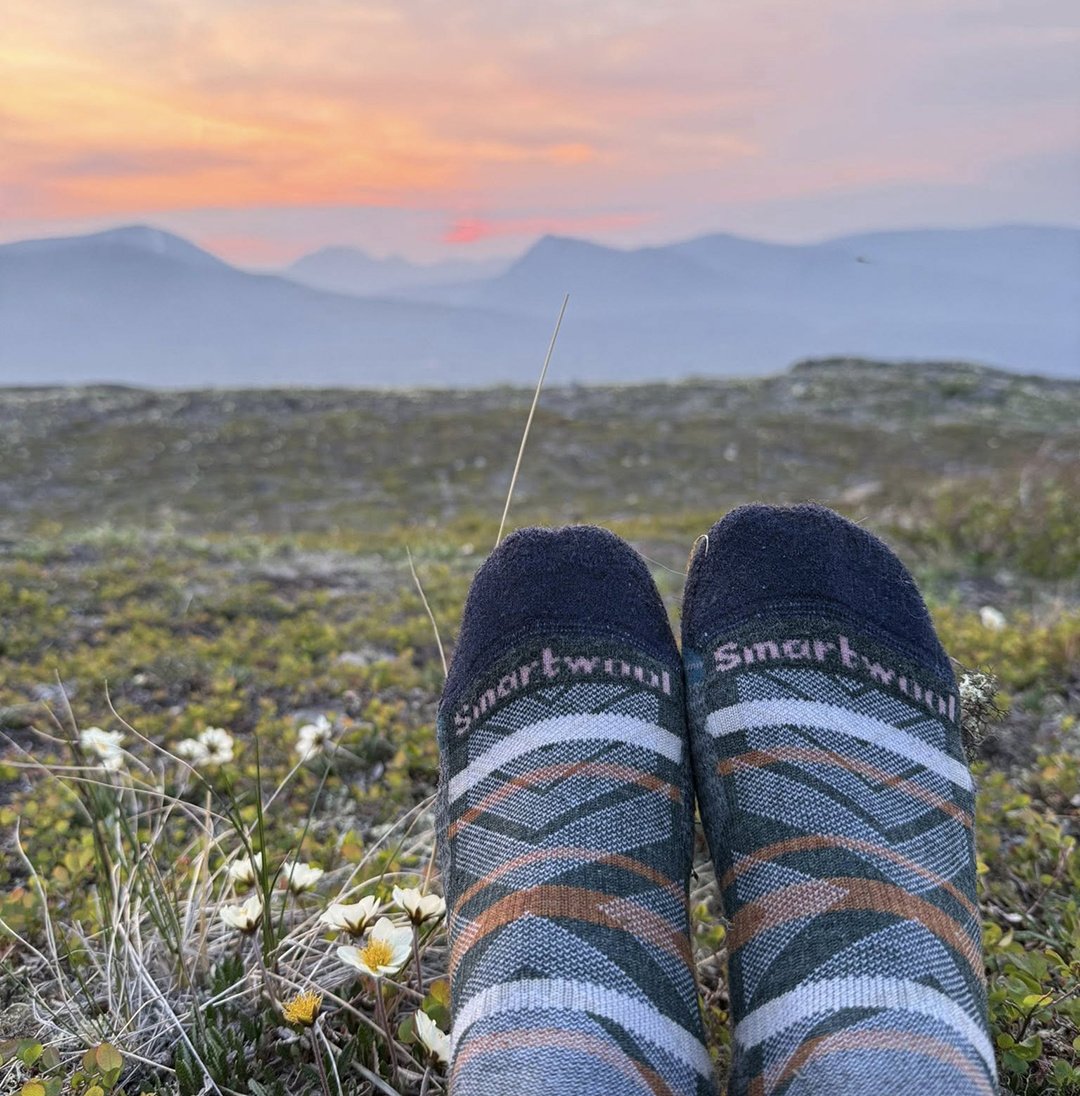
Cushioning is another factor worth considering. Different levels of cushioning serve different purposes:
- Minimal or no cushion works well for lightweight activities where breathability and a close fit are priorities
- Targeted or light cushioning adds comfort in high-impact areas without adding bulk
- Full or extra cushioning is better suited for long hikes, heavier loads, or colder conditions where additional protection and insulation are beneficial
Equally important is fit. A sock should stay in place throughout the hike. If it shifts or bunches, it can create pressure points and increase friction.
Choosing the Right Sock Height
Sock height should correspond to the type of footwear being used.
- No-show or low ankle socks are suitable for running shoes or casual wear
- Ankle socks pair well with low-cut hiking shoes
- Crew socks are the most common choice for hiking boots, offering protection above the ankle
- Over-the-calf socks are typically reserved for winter activities or ski boots
Selecting the appropriate height helps prevent rubbing and ensures consistent coverage.
Matching Footwear to Terrain and Activity
Hiking footwear is not one-size-fits-all. The type of boot or shoe you choose should reflect both the terrain you expect to encounter and the load you plan to carry.
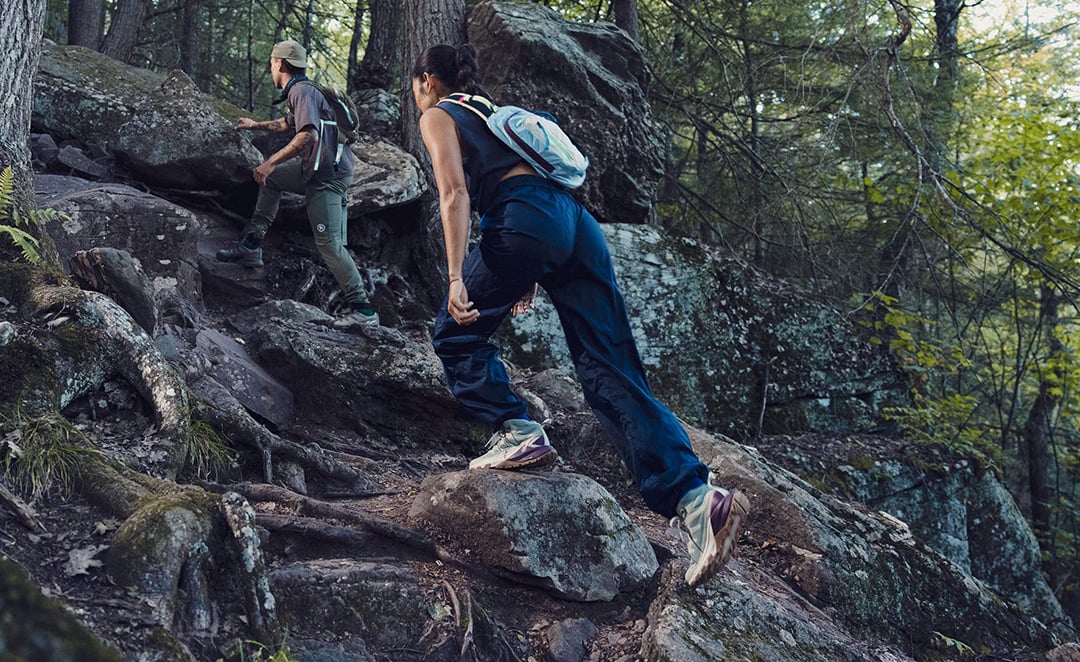
(Photo Credit: KEEN Footwear)
For light terrain or fast-paced hiking, low-cut shoes are often sufficient. These are lightweight, flexible, and breathable, making them well-suited to maintained trails or shorter outings where agility and comfort are priorities.
For moderate or mixed terrain, mid-cut hiking boots provide a balance of support and mobility. They offer additional ankle stability and typically include features such as improved cushioning and more aggressive outsoles for varied trail conditions. For many hikers, this category represents the most versatile option.
In rugged terrain or during multi-day trips with heavier packs, a more supportive boot becomes essential. High-cut boots with durable uppers—often full-grain leather—provide increased ankle support and structural stability. Features such as stability shanks help distribute weight more evenly and reduce strain on the foot, particularly when carrying gear over uneven ground.
For everyday walking or travel, lightweight footwear with synthetic uppers offers comfort and breathability without the added structure of a traditional hiking boot.
Understanding Fit: The Most Important Factor
No matter how well a boot is constructed, its performance ultimately depends on how well it fits your foot.
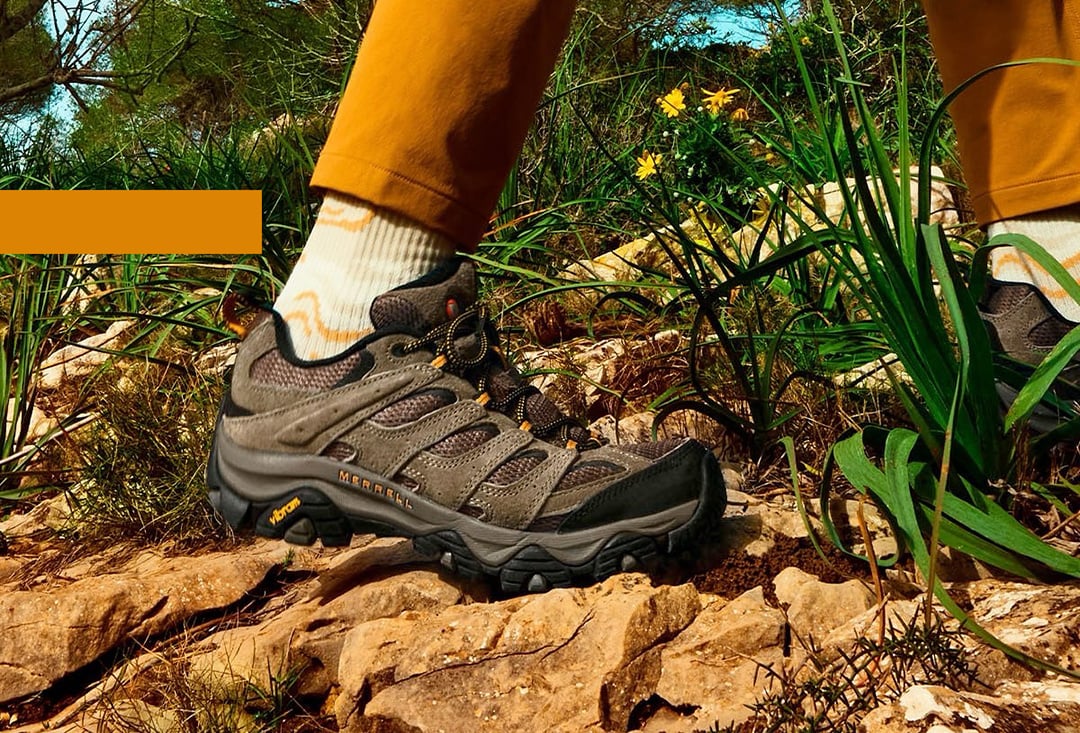
(Photo Credit: Merrell)
A properly fitted hiking boot should feel secure without restricting natural movement. There are a few key indicators to look for when assessing fit:
- Toe room: There should be enough space to wiggle your toes freely. On descents, your foot will naturally move forward, so a small amount of extra space—approximately the width of an index finger—is recommended
- Heel stability: Your heel should remain in place with minimal lift when walking. Excess movement in the heel can lead to friction and blisters
- Midfoot comfort: The boot should feel snug through the midfoot without creating pressure across the top of the foot
Timing also matters when trying on footwear. Feet tend to swell throughout the day, so trying boots on in the afternoon provides a more accurate sense of how they will feel during a hike. It is also advisable to try boots on with the same socks you plan to wear on the trail, and to bring orthotics if you use them regularly.
Many hikers find that selecting a boot approximately half a size larger than their everyday footwear allows for natural swelling and accommodates thicker socks.
How Materials Influence Performance
The materials used in a boot’s upper affect its weight, durability, breathability, and water resistance.
Full-grain leather is known for its durability and abrasion resistance. It is commonly used in boots designed for rugged terrain and extended use. While heavier and requiring a longer break-in period, it offers long-term reliability.
Nubuck leather, which is a buffed version of full-grain leather similar to suede, provides similar durability with slightly more flexibility.
Synthetic materials, such as nylon and polyester, are lighter and tend to break in more quickly. They also dry faster than leather, which can be an advantage in wet conditions. However, they may not offer the same long-term durability.
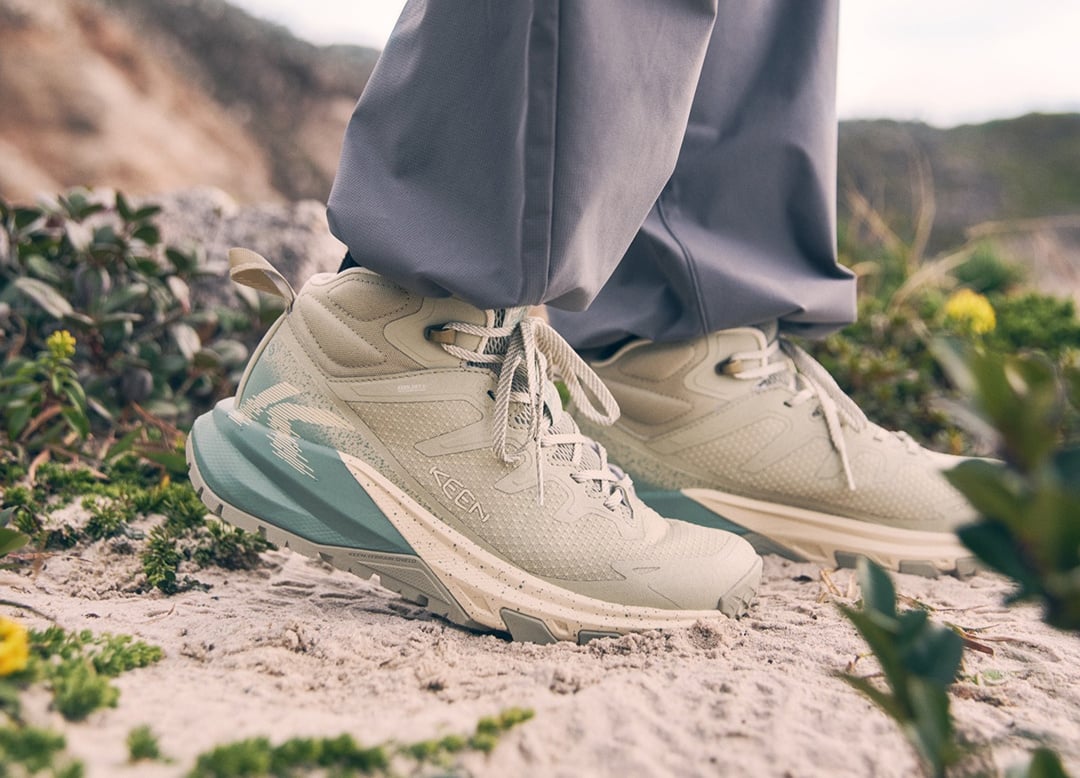
(Photo Credit: KEEN Footwear)
Many boots also incorporate waterproof membranes, such as GORE-TEX. These membranes are designed to keep water out while allowing moisture from inside the boot to escape. While effective in wet environments, they can reduce overall breathability compared to non-waterproof options.
Using Lacing to Improve Comfort
Lacing is often overlooked, but it can significantly affect how a boot feels during a hike.
Simple adjustments can help address common issues that happen on the trail:
- A surgeon’s knot secures footwear by adding an extra twist between the top couple hooks/eyelets, preventing laces from loosening and reducing heel slippage.
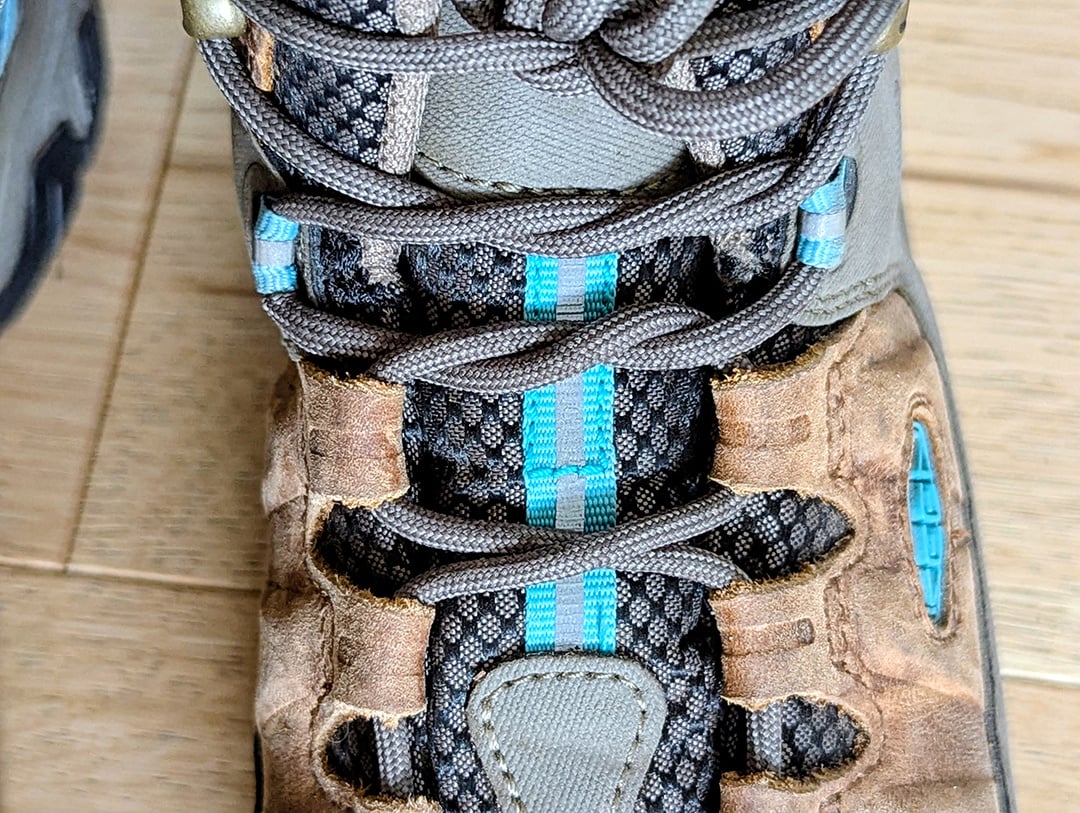
- Window (or box) lacing can relieve pressure on the top of the foot by bypassing sensitive areas
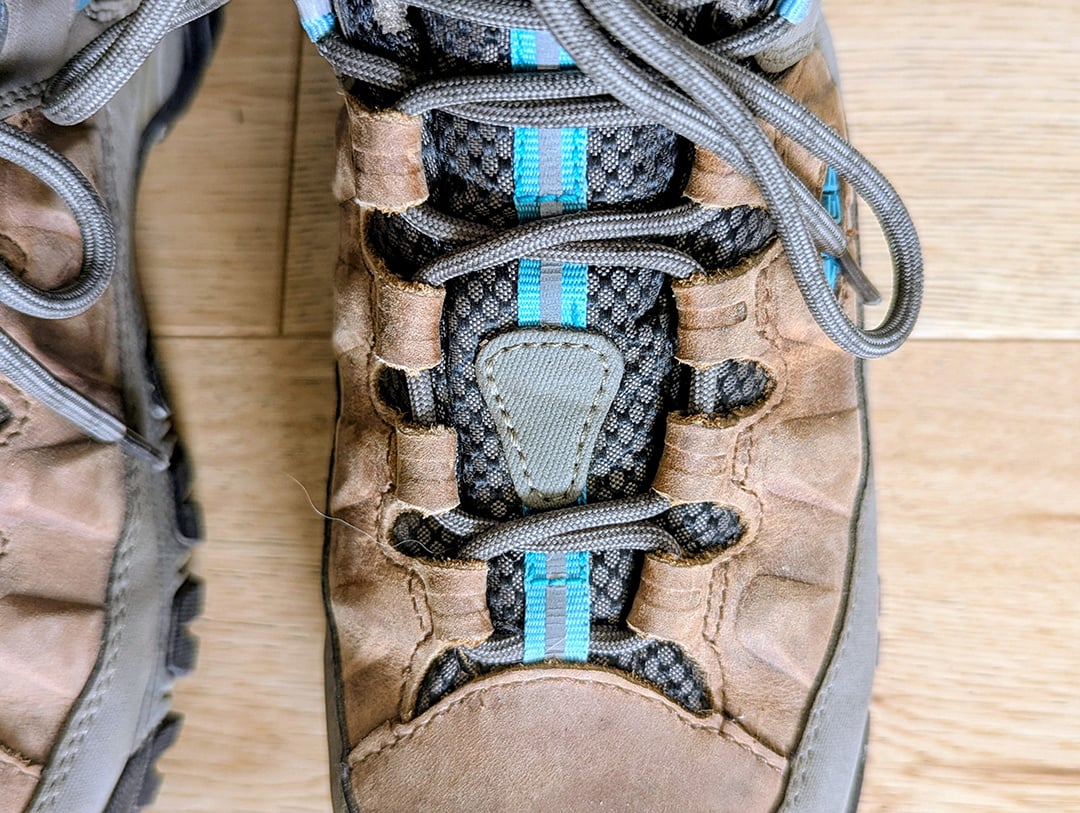
- Toe relief lacing: By skipping the first set of eyelets when you are lacing up, you can create additional space in the toe box, reducing pressure during descents
These techniques allow for small but meaningful adjustments without needing to change footwear entirely.
Comfort on the trail is rarely the result of a single decision. It comes from the combination of well-fitting footwear, appropriate materials, and socks that support and protect your feet over time.
Taking the time to understand these elements—and how they interact—can make a noticeable difference in both performance and enjoyment.
Whether you are heading out for a short walk or a multi-day trip, the right setup allows you to focus less on your feet and more on the experience itself.


